Categories
Blog

The Importance of Protecting Sandunes From Erosion

Sand Dunes are more than just piles of sand on the beach; they are essential in protecting coastlines and ecosystems. Unfortunately, these vital structures are threatened by erosion caused by natural and human factors. This article delves into the significance of sand dunes and emphasizes the crucial need to safeguard them against the harmful effects of erosion.

Understanding Sand Dunes and Their Function

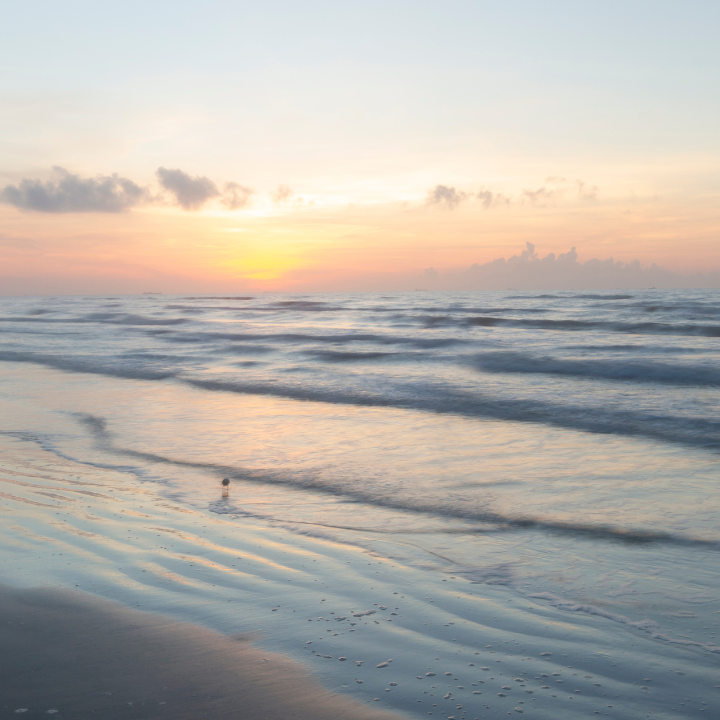
Shaped by the forces of wind and waves, sand dunes emerge as a result of countless sand grains, transported from the shores, coming together to create these natural wonders. The wind deposits these grains in ridges and valleys, eventually building into the dunes we see today. Dunes are held together by the roots of plants that grow on them, such as beach grasses and sea oats.

Sand Dunes play a critical role in protecting coastlines and ecosystems. They act as a natural barrier, absorbing the force of waves and storm surges, preventing erosion and flooding. In addition, sand dunes offer a safe haven for various plants and animals, including several species that are exclusive to these unique ecosystems.
The Causes of Erosion

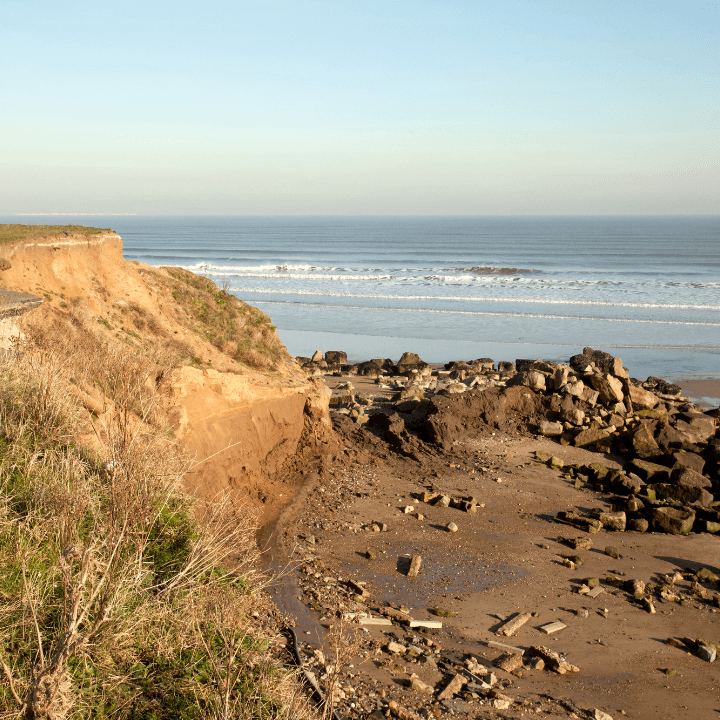
Erosion may result from a multitude of causes, encompassing both natural occurrences and human-driven activities. Natural causes of erosion include wind, waves, and storms. When these forces are particularly strong, they can strip away the sand from dunes, leaving them vulnerable to further erosion.

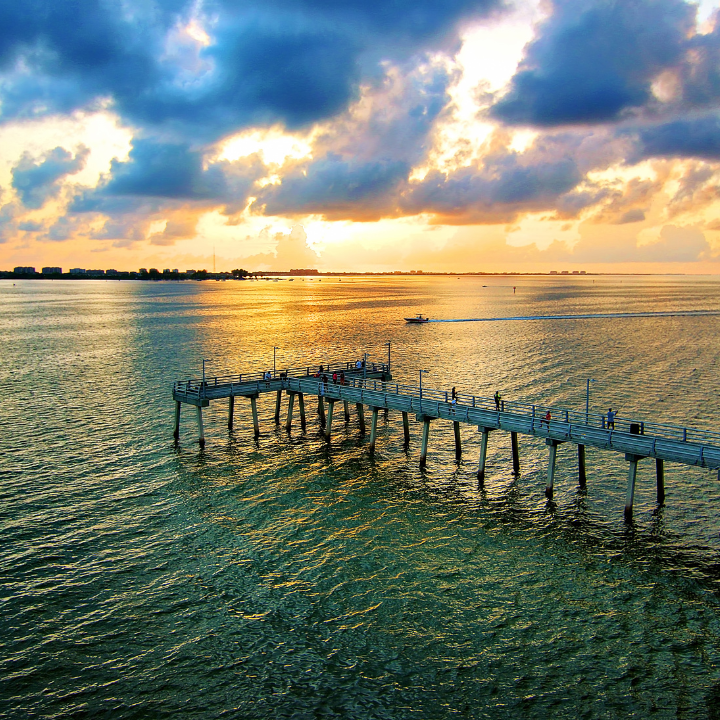
Human-caused erosion is also a significant concern. The construction of buildings, agricultural activities, and recreational pursuits are all factors that contribute to the erosion of sand dunes. We spoke with a deck builder in Denton, TX, and he’s convinced that building any type of structure, even observation decks and piers, can have devastating consequences on sand dunes. His advice is to have an extensive environmental study conducted before taking on any project like this. Construction of human-made edifices on or in proximity to sand dunes can disrupt the inherent sand migration and expedite the deterioration of these dune formations. Foot traffic and off-road vehicles can also cause significant damage to dunes and their plant life.

Arguably, the paramount danger faced by sand dunes in contemporary times is climate change. With escalating sea levels and the intensification of storms in frequency and magnitude, the susceptibility of sand dunes to erosion grows ever more concerning. Climate change also causes other environmental changes that can affect sand dunes, such as precipitation patterns and temperatures.
The Consequences of Erosion

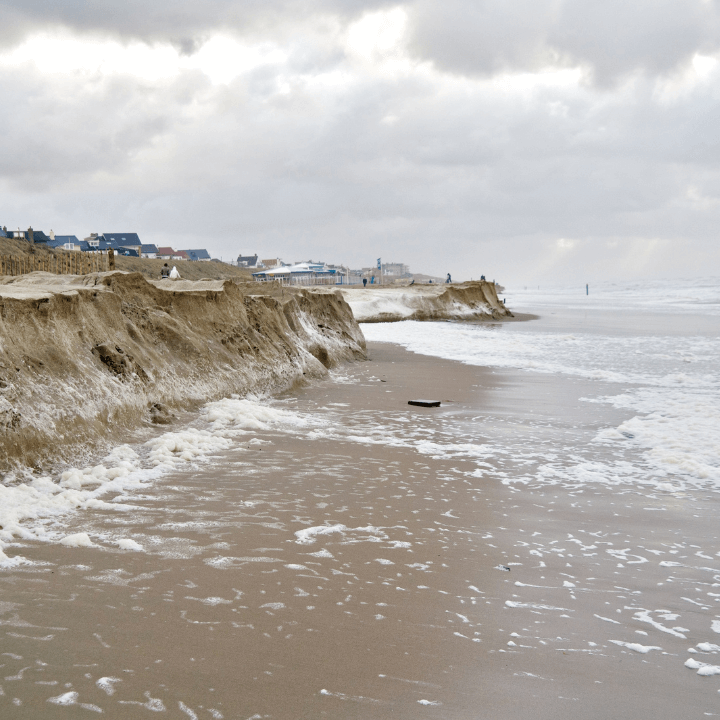
The consequences of erosion can be severe. As sand dunes undergo erosion, the ecological niches they sustain face devastation, consequently displacing flora and fauna. Such occurrences can contribute to a decline in biodiversity and alterations in the comprehensive well-being of ecosystems.

Apart from ecological harm, erosion can also result in harm to infrastructure, residences, and commercial establishments. When sand dunes erode, the beaches they protect are left more vulnerable to flooding and storm damage. Subsequently, this could lead to the devastation of properties and, under severe circumstances, culminating in the loss of human lives.
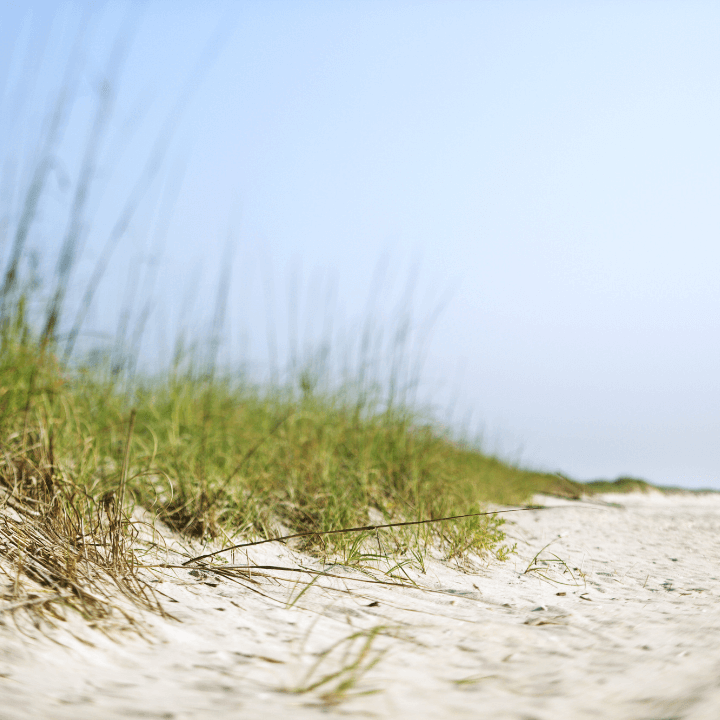
Strategies for Protecting Sand Dunes

Thankfully, numerous approaches exist to safeguard sand dunes from erosion. Planting and preserving vegetation on them is among the most efficient ways to protect them. Beach grasses and sea oats are particularly effective at holding sand in place and stabilizing dunes. In addition to planting new vegetation, protecting existing vegetation from damage caused by foot traffic and off-road vehicles is essential.

Another way to protect sand dunes is to limit development and other human activities in areas with dunes. This can help prevent disruption of the natural flow of sand and reduce the risk of erosion. When development is necessary, working with experts to design structures that minimize their impact on dunes is crucial.

Finally, community involvement is crucial for protecting sand dunes. Educating individuals about the significance of dunes and their function in preserving coastlines and ecosystems is paramount. Community members can also take action to prevent erosion by participating in beach cleanups and other conservation efforts.

Successful Dune Protection Efforts

There are many examples of successful dune protection efforts around the world. In the United States, for example, the National Park Service has worked to protect sand dunes in places like Indiana Dunes National Lakeshore and Cape Hatteras National Seashore. These efforts include planting new vegetation, building fences to limit human access, and working with local communities to raise awareness about the importance of dunes.

Comparable endeavors have been prosperous in different regions of the world. In New Zealand, for example, sand dunes were restored by planting new vegetation and fencing off areas to limit human access. Consequently, the dunes have been stabilized, and the adjacent ecosystem has been reinstated due to these endeavors.

Conclusion

The crucial function of sand dunes in safeguarding coastlines and ecosystems is challenged by erosion, resulting from both natural occurrences and human activities. To protect sand dunes, it’s essential to plant and maintain vegetation, limit development and other human activities, and educate communities about the importance of dunes. Through collective efforts, we can guarantee that sand dunes persist in offering essential safeguards for our shorelines and the ecosystems reliant on them.

Categories
Blog

Teaching Your Child How To Fish – A How-To Guide

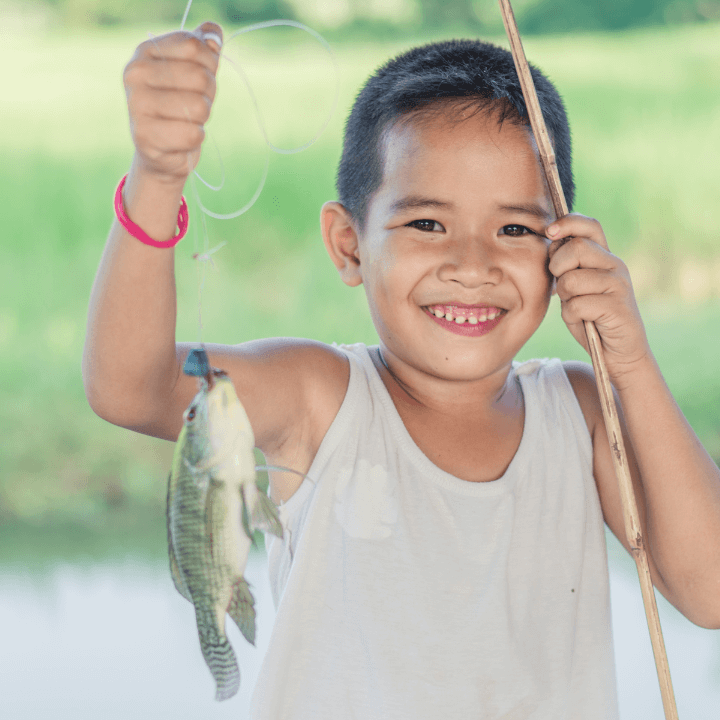
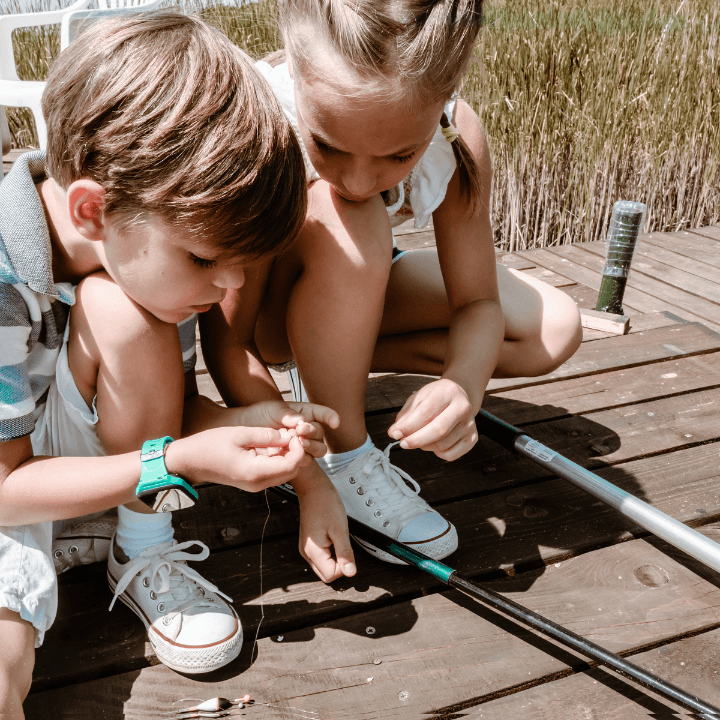
Spending quality time with your child while fishing can be a rewarding experience that imparts valuable life skills like patience, persistence, and respect for nature. Irrespective of age, fishing can be a fun-filled activity. Nonetheless, for those unfamiliar with fishing, it can be puzzling to start teaching your child the basics of this activity. Therefore, we present a detailed, step-by-step guide to help you embark on this journey.

Safety First

Prior to instructing your child in the art of fishing, it is crucial to stress the significance of water safety. Ensure that they comprehend the possible hazards linked to fishing and the methods to maintain their safety when near or on the water. This includes making sure they have the appropriate equipment such as life jackets and appropriate clothing. Teach them about the hazards of slippery rocks and how to avoid them. Show them how to identify dangerous currents, and how to move safely around the water.

Equipment Basics

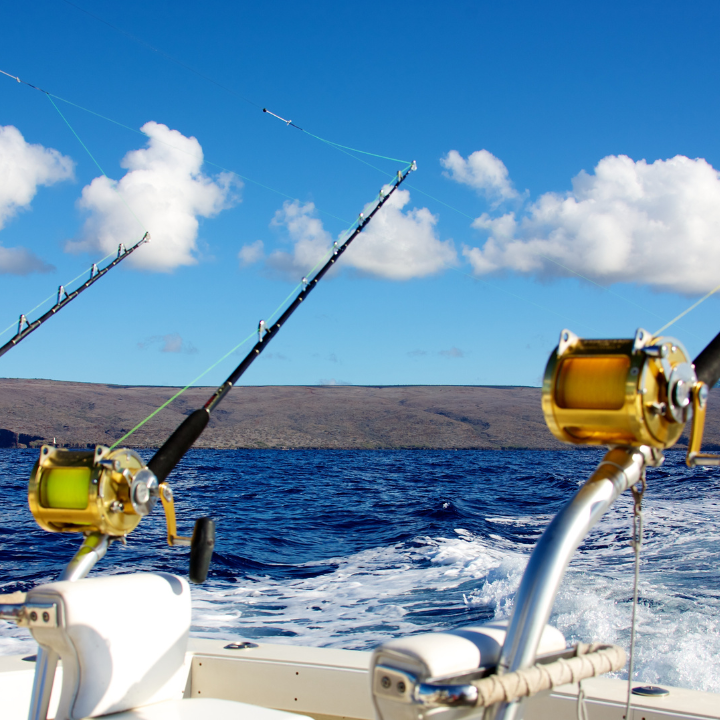
Introducing your child to fishing initially involves familiarizing them with the fundamental aspects of the gear used in this activity. A good place to start is with the rod and reel. Teach them how to properly hold the rod and reel, and how to cast and retrieve the line. Ensure that they grasp the distinctions among various fishing lines and lures, as well as the process of selecting appropriate ones based on the fish they aim to catch.

Bait selection and presentation are also important skills to teach. Demonstrate to them the process of selecting suitable bait for their target fish, along with the correct method of presenting the bait. Instruct them on deciphering the water’s conditions and pinpointing the probable hiding spots for fish.

Finding the Right Spot

A significant aspect of fishing enjoyment lies in discovering the perfect location to cast your line. Enlighten your child regarding the various fishing environments, including lakes, rivers, docks, and streams. Explain how different environments affect the types of fish that live there and the fishing methods that work best in each environment. Take them to different fishing spots and show them how to scout out the best location. Instruct them on the various fish species inhabiting each location and the process of selecting the appropriate bait for every specific fish type.

Techniques for Catching Fish

After your child has grasped the knowledge of the equipment and the ideal fishing location, it’s the perfect moment to educate them on the methods for reeling in fish. This includes casting techniques such as overhead casting, side casting, and roll casting. Teach them how to adjust their casting technique based on wind conditions and other factors.

Retrieval methods are also important to teach. Show them how to properly reel in the line and how to set the hook when a fish takes the bait. Teach them how to fight the fish and how to bring it in without losing it.

Proper fish handling and release is also an important skill to teach your child. Explain the importance of handling the fish gently and properly, and how to safely remove the hook. Instruct them on catch and release practices, as well as the proper way to return the fish to the water unharmed.

Patience and Persistence

While fishing, developing patience and persistence are crucial life skills that can be imparted to your child. It’s important to educate your child that fishing is not solely about catching fish but also about cherishing the experience and spending time amidst nature. Inspire them to persevere even if they don’t catch anything immediately. Train them to be patient and persistent, and to continue striving until they reach their objective.

Final Thoughts

The process of instructing your child how to fish is a pleasurable and gratifying experience that can lead to enduring memories. By prioritizing safety, introducing fundamental equipment knowledge, identifying appropriate spots, and educating on fishing tactics, you can equip your child with the necessary skills to excel as an angler. It’s crucial to also teach them about the significance of showing reverence towards nature and the environment. Urge them to refrain from littering and to leave the area free of debris. Encourage them to value the splendor of the natural world and to preserve it for forthcoming generations to cherish.

Remember that fishing is not just about catching fish, but about spending quality time with your child and creating lasting memories. Take the time to enjoy the experience and appreciate the time you have together. Whether you catch anything or not, the memories and skills learned while fishing will last a lifetime.

Categories
Blog

2023 Fund Raising Banquet Info

The Saltwater-fisheries Enhancement Association (SEA) holds an annual fund raising banquet to support its conservation and preservation efforts. The 18th Annual Fund Raising Banquet is scheduled to take place on Thursday, December 14th, 2023, at the American Bank Center – Exhibit Hall. The event runs from 5:30 PM to 11:00 PM.

Individual tickets for the banquet are priced at $125 each and include an annual SEA membership, access to a social hour with an open bar at 5:30 PM, silent auction and raffle items, dinner, and a live auction. Reserved tables for eight people are available for $1,000, and sponsor tables are available for $1,750. The sponsor tables offer priority seating for eight people, a 3′ x 5′ banner displayed at the banquet, a sponsor table sign, and an enhanced goody bag for each guest. Guests seated at sponsor tables also receive the same benefits as those with individual tickets.

In addition to the banquet, guests can purchase raffle boat tickets for $10 each or six for $50. The raffle offers an opportunity to win a boat, and the proceeds go to support SEA’s conservation efforts.

The annual banquet is an opportunity to support SEA‘s mission, teach children how to fish, and enjoy a night of food, drinks, auctions, and socializing with others who share a passion for preserving and enhancing the coastal ecosystem of the Coastal Bend of Texas.

Categories
Blog

Fish You Can Catch From the Texas Coast

Spanning 367 miles beside the Gulf of Mexico, the Texas shoreline boasts exceptional fishing prospects, earning its reputation as a popular leisure activity in the state. Home to a diverse array of fish species year-round, including redfish and mahi-mahi, the Texas coast presents countless opportunities for avid anglers. This article will delve into the types of fish that are commonly caught from the Texas coast, where to fish, fishing regulations and licenses, as well as tips for successful fishing.

Types of Fish Commonly Caught from the Texas Coast

1. Redfish

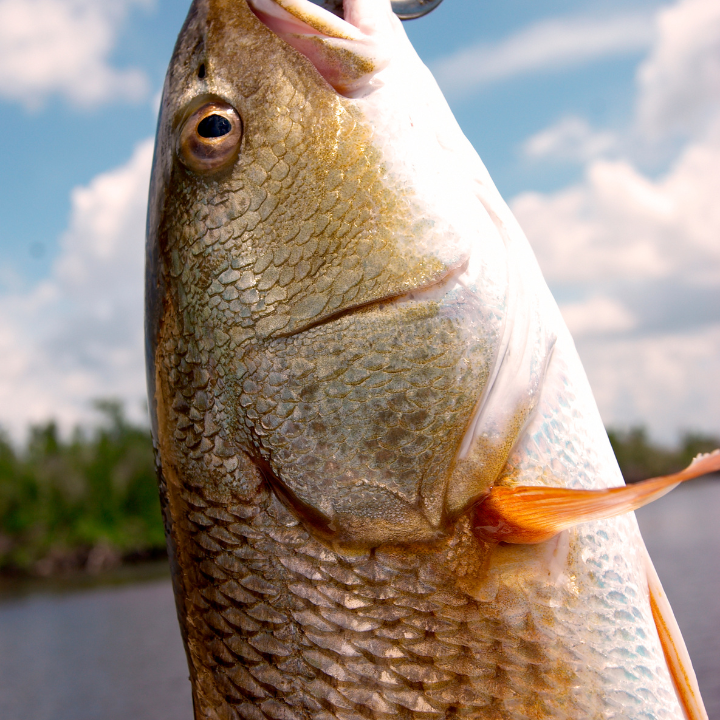
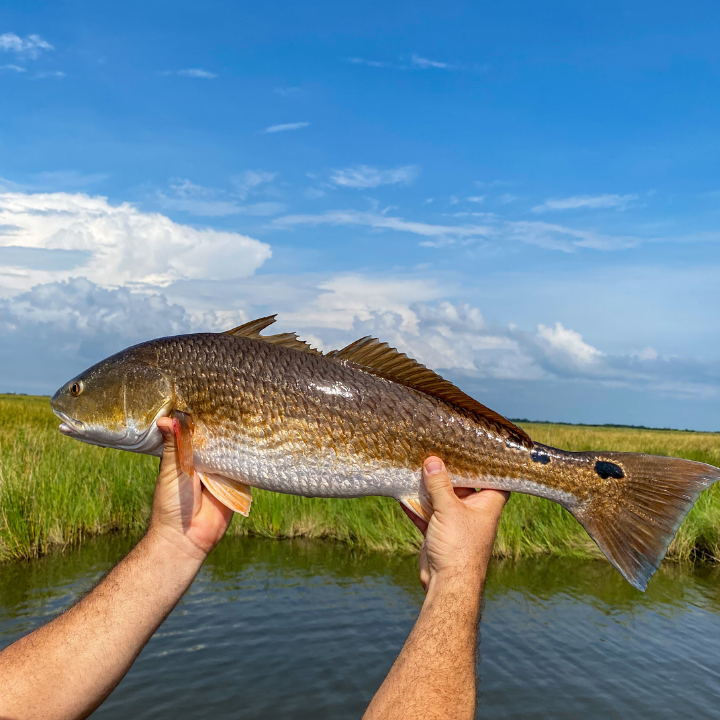
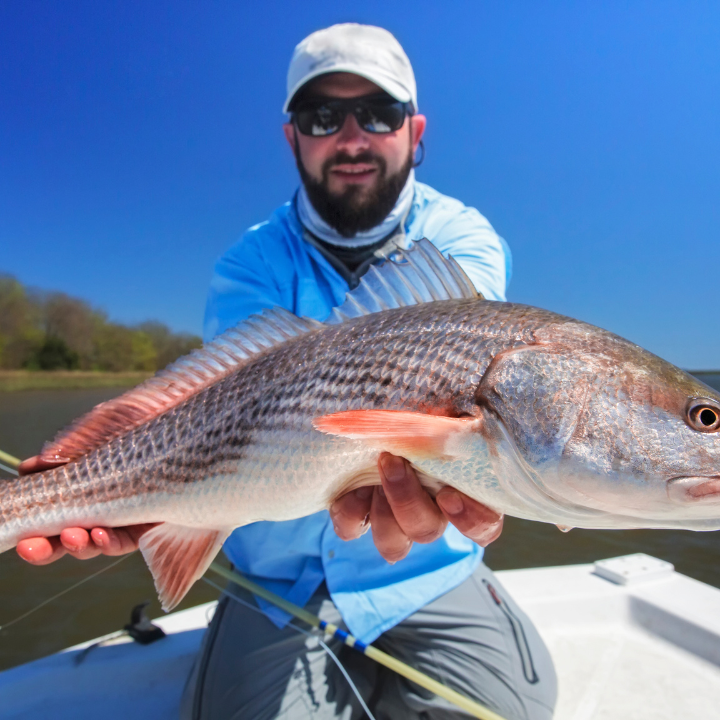
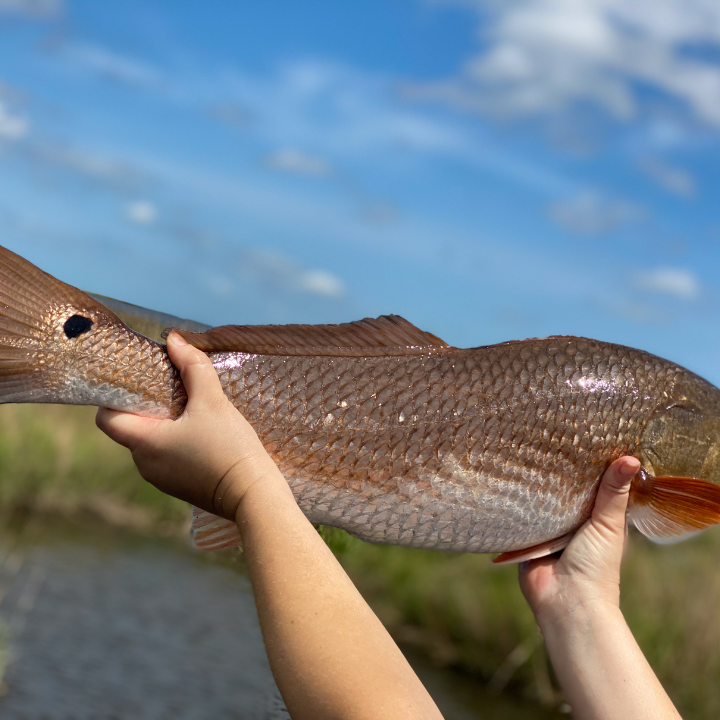
Redfish, also known as red drum, is one of the most popular game fish in Texas. They can be caught year-round and are typically found in shallow water, such as bays and estuaries.

2. Speckled Trout

Speckled trout, also known as spotted sea trout, is another popular game fish in Texas. They can be caught year-round, but the best time to catch them is in the fall and winter months.

3. Flounder

Flounder is a flatfish that are often found in shallow water. They can be caught year-round, but the best time to catch them is in the fall months.

4. Black Drum

Black drums are a type of fish that can be found in both freshwater and saltwater. They are typically found in bays and estuaries and can be caught year-round.

5. Sheepshead

Sheepshead is a type of fish that is commonly found around jetties and pilings. They can be caught year-round, but the best time to catch them is in the winter months.

6. Spanish Mackerel

Spanish mackerel are a type of fish that is commonly caught offshore. They can be caught year-round, but the best time to catch them is in the spring and fall months.

7. King Mackerel

King mackerel, also known as kingfish, are another type of fish that is commonly caught offshore. They can be caught year-round, but the best time to catch them is in the summer and fall months.

8. Mahi Mahi

Mahi Mahi, also known as dolphin fish, are a type of fish that are commonly caught offshore. They can be caught year-round, but the best time to catch them is in the summer months.

9. Tuna

Tuna are a type of fish that are commonly caught offshore. They can be caught year-round, but the best time to catch them is in the summer and fall months.

10. Sailfish

Sailfish are a type of fish that are commonly caught offshore. They can be caught year-round, but the best time to catch them is in the summer and fall months.

Where to Fish on the Texas Coast

There are several different types of fishing that can be done on the Texas coast, including:

1. Piers and jetties

Fishing from piers and jetties is a popular way to catch fish along the Texas coast. Some of the best piers and jetties for fishing include the Galveston Fishing Pier, the Bob Hall Pier in Corpus Christi, and the South Padre Island Jetty.

2. Surf fishing

Surf fishing is another popular way to catch fish along the Texas coast. Some of the best spots for surf fishing include Mustang Island State Park, Padre Island National Seashore, and Boca Chica Beach.

3. Inshore fishing

Inshore fishing involves fishing in the shallow waters of bays and estuaries. Some of the best spots for inshore fishing include Matagorda Bay, Galveston Bay, and Aransas Bay.

4. Offshore fishing

Offshore fishing involves fishing in the deeper waters of the Gulf of Mexico. Some of the best spots for offshore fishing include the Flower Garden Banks National Marine Sanctuary, the Texas Clipper Artificial Reef, and the oil rigs off the coast of Corpus Christi.

Fishing Regulations and Licenses

Before fishing on the Texas coast, it’s important to be familiar with the state’s fishing regulations. Some of the regulations to keep in mind include:

– Possession limits

Texas has possession limits for certain types of fish, which can vary based on the time of year and the location of the catch. It’s important to know the possession limits before heading out on a fishing trip.

– Size limits

Texas also has size limits for certain types of fish. It’s important to measure fish before keeping them to make sure they meet the minimum size requirements.

– Catch and release

Some fish, such as red drum and speckled trout, are subject to catch and release regulations during certain times of the year.

In addition to following fishing regulations, anyone who plans to fish on the Texas coast must have a valid Texas fishing license. Licenses can be purchased online, by phone, or in person at a Texas Parks and Wildlife Department office.

Tips for Successful Fishing on the Texas Coast

To increase your chances of catching fish on the Texas coast, consider the following tips:

  1. The best time of day to fish

Fish are often more active during early morning and late afternoon, so these are the best times of day to go fishing.

  1. Recommended bait and tackle

The type of bait and tackle you use will depend on the type of fish you’re trying to catch. Live bait, such as shrimp and mullet, is often the most effective for inshore fishing, while artificial lures, such as topwater plugs and soft plastics, can be effective for offshore fishing.

  1. Techniques for different types of fish

Different types of fish require different fishing techniques. For example, redfish are often caught using a popping cork rig, while speckled trout are often caught using a jig. Click here to learn about the 2023 fund raising event of the year!

Conclusion

Fishing on the Texas coast is a great way to spend time outdoors and enjoy the natural beauty of the Gulf of Mexico. With a variety of fish to catch and several different types of fishing to choose from, there’s something for everyone on the Texas coast. Remember to follow fishing regulations, obtain a valid fishing license, and use the right techniques to increase your chances of a successful fishing trip. Join SEATexas to protect our costal waterways.

Categories
Blog

Types of Birds That Inhabit the Texas Coastline

The Texas coastline is a unique and dynamic ecosystem that provides a home to a wide variety of birds. From migratory birds that stopover during their annual migrations to birds of prey that soar high above the water, the Texas coastline is an important habitat for many different species. In the following article, we will explore the diverse avian inhabitants that thrive along the Texas coastline, encompassing species like shorebirds, waterbirds, raptors, and migratory birds. Furthermore, we will emphasize the significance of conservation measures in safeguarding these fragile ecosystems and their bird inhabitants. Whether one is an avid birdwatcher or simply captivated by nature’s wonders, the diverse and breathtaking avian species that populate the Texas coastline are truly remarkable.

Facts About Texas Coastline

Uncovering the Texas coastline, a vibrant and multifaceted ecosystem that stretches beyond 350 miles adjacent to the Gulf of Mexico, presents the following intriguing facts:

1. The Texas coastline, extending more than 350 miles, forms a border along the Gulf of Mexico.

2. It is home to four major bays: Galveston Bay, Matagorda Bay, San Antonio Bay, and Corpus Christi Bay.

3. The coastline is made up of a variety of habitats, including sandy beaches, saltwater marshes, mudflats, and tidal flats.

4. The coastline is an important nesting site for several species of sea turtles, including the Kemp’s Ridley sea turtle, which is the most endangered sea turtle species in the world.

5. The coastline is also a major stopover site for migratory birds during their annual migrations, and it is home to over 600 bird species.

6. The Texas coastline is an important economic hub for the state, with industries like fishing, oil and gas, and tourism contributing significantly to the state’s economy.

7. The coastline is home to several popular tourist destinations, including Galveston Island, Padre Island National Seashore, and South Padre Island.

8. The coastline has been affected by several natural disasters, including hurricanes and oil spills, which have had a significant impact on the local environment and economy.

9. Efforts are underway to protect and preserve the delicate ecosystem of the Texas coastline, including restoration projects and conservation efforts aimed at protecting vulnerable species and habitats.

10. Despite the challenges it faces, the Texas coastline remains a beautiful and dynamic ecosystem that is home to a wide range of plant and animal species and provides important economic and cultural benefits to the people of Texas.

Types of Birds Living in Texas Coastline

  1. Among the avian population inhabiting the Texas coastline, shorebirds are one of the most frequently encountered species. These birds are known for their long legs and bills, which allow them to probe in the sand for food. Some examples of shorebirds that inhabit the Texas coastline include sandpipers, plovers, and terns. These birds are typically small and have slender bills that help them catch insects and small invertebrates on the beach. They are also well adapted to the shifting sands and strong ocean currents that make up their habitat.
  2. Waterbirds are another type of bird that can be found along the Texas coastline. These birds are known for their webbed feet, which allow them to swim and dive for food. Examples of waterbirds that inhabit the Texas coastline include pelicans, cormorants, and herons. Pelicans are particularly common along the coast and can often be seen diving for fish in large flocks. Cormorants and herons, on the other hand, are more solitary birds that hunt for fish in the shallows.
  3. Raptors are a type of bird of prey that inhabit the Texas coastline. These birds are known for their sharp talons and beaks, which they use to capture prey. Examples of raptors that can be found along the Texas coastline include ospreys, eagles, and falcons. Ospreys are particularly well adapted to life along the coast and are known for their ability to catch fish with their talons. Eagles and falcons, on the other hand, are more commonly seen soaring high above the coast, looking for prey.
  4. Migratory birds are one of the types of birds inhabiting the Texas Coastline. The Texas coastline is an essential stopover site for migratory birds during their long annual migrations. Warblers, thrushes, and flycatchers are just a few of the migratory birds that can be seen along the coast during the spring and fall.

Conservation
Preserving the delicate ecosystem along the Texas coastline is crucial to ensure that these birds can continue to call it home. It’s essential to protect the habitats that support these birds and educate people about the importance of conservation. Want to know more about the fish in Texas waters?


Conclusion

In conclusion, the Texas coastline is home to a wide variety of bird species, each with their own unique adaptations that allow them to survive in this beautiful environment. From shorebirds to raptors, the coast provides a habitat for many different types of birds to thrive. It is important that we continue to preserve this delicate ecosystem to ensure that these birds can continue to call the Texas coastline home.

Categories
Blog

Redfish Rodeo

The Redfish Rodeo is an annual event organized by the Saltwater-fisheries Enhancement Association (SEA) in the Coastal Bend region of Texas. It is a popular event that draws anglers from all over the state and beyond. The Redfish Rodeo is an opportunity for anglers to compete against each other while also supporting the conservation and preservation of the region’s saltwater resources.

The Redfish Rodeo is a catch-and-release tournament that focuses on redfish, a popular sportfish in the area. Participants compete in various categories, including the largest redfish, the most redfish caught, and the longest redfish. There are also categories for junior anglers and lady anglers.

The Redfish Rodeo is not just about competition, however. The event also includes educational and conservation activities, such as workshops on responsible fishing practices and the importance of preserving the coastal ecosystem. Participants can also learn about the latest techniques and equipment for catching redfish, and they can interact with experts in the field.

One of the most important aspects of the Redfish Rodeo is its commitment to conservation and preservation. The tournament is a catch-and-release event, and all redfish caught are carefully handled and released back into the water. The event also raises awareness about the importance of preserving the coastal ecosystem and encourages anglers to adopt sustainable fishing practices.

The Redfish Rodeo is also a major fundraiser for SEA. The proceeds from the event support the organization’s conservation and preservation efforts, which include habitat restoration, research, and public education. The event helps to raise awareness about the work that SEA does and encourages others to get involved in supporting the organization’s mission.

Overall, the Redfish Rodeo is an exciting and meaningful event that brings together anglers, conservationists, and members of the community in support of the Coastal Bend’s saltwater resources. It is a celebration of the natural beauty and ecological richness of the area, and it is an opportunity for everyone to contribute to its protection and enhancement. If you are an angler or a conservationist, or if you simply love all outdoor creatures, and want to support a good cause, the Redfish Rodeo is an event that you should not miss.